
Monuments and the historic centre
Salobrena’s historic centre forms a townscape of Andalusi origin, with narrow, white, steep streets that still preserve their original layout. Walking through it is a journey through history, from the Muslim period to the present day.
Monuments and the historic centre
Salobrena’s historic centre forms a townscape of Andalusi origin, with narrow, white, steep streets that still preserve their original layout. Walking through it is a journey through history, from the Muslim period to the present day.
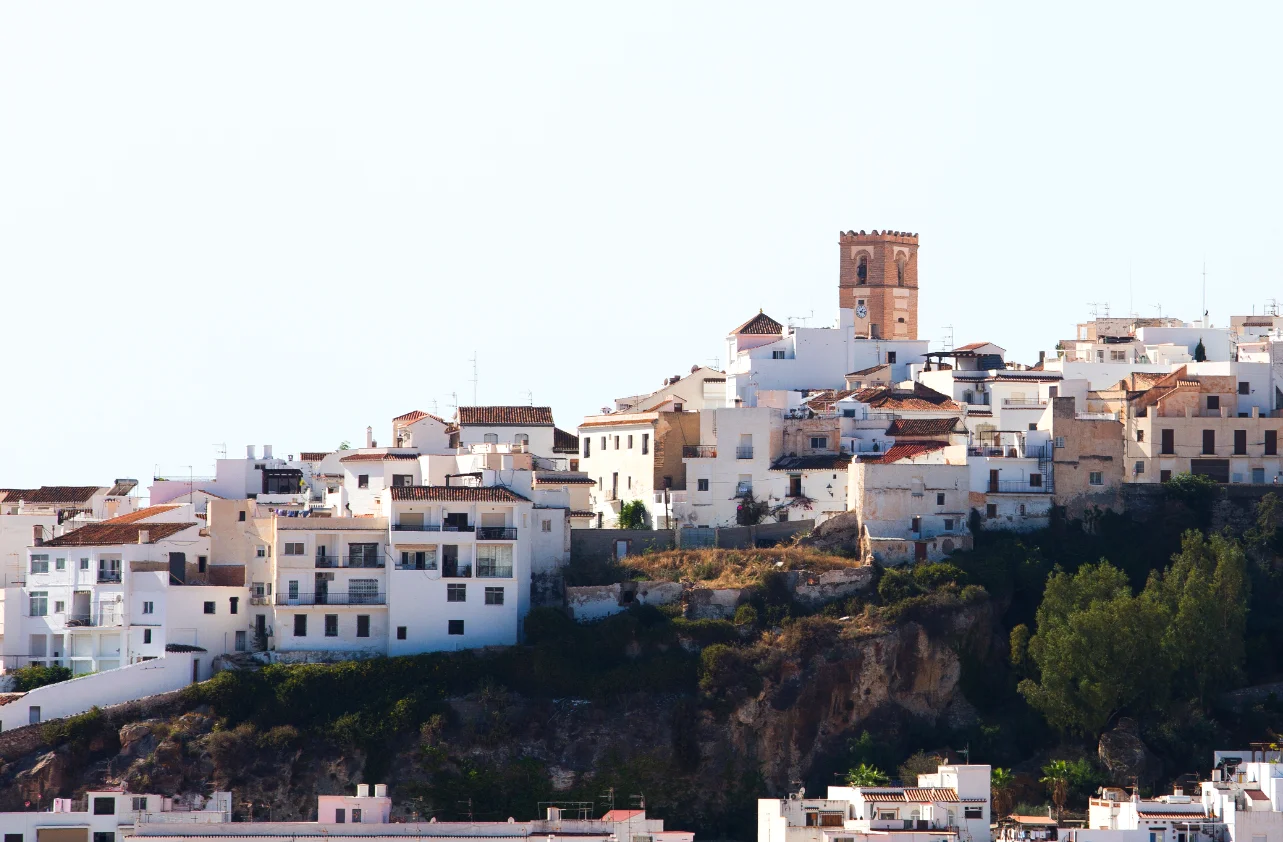
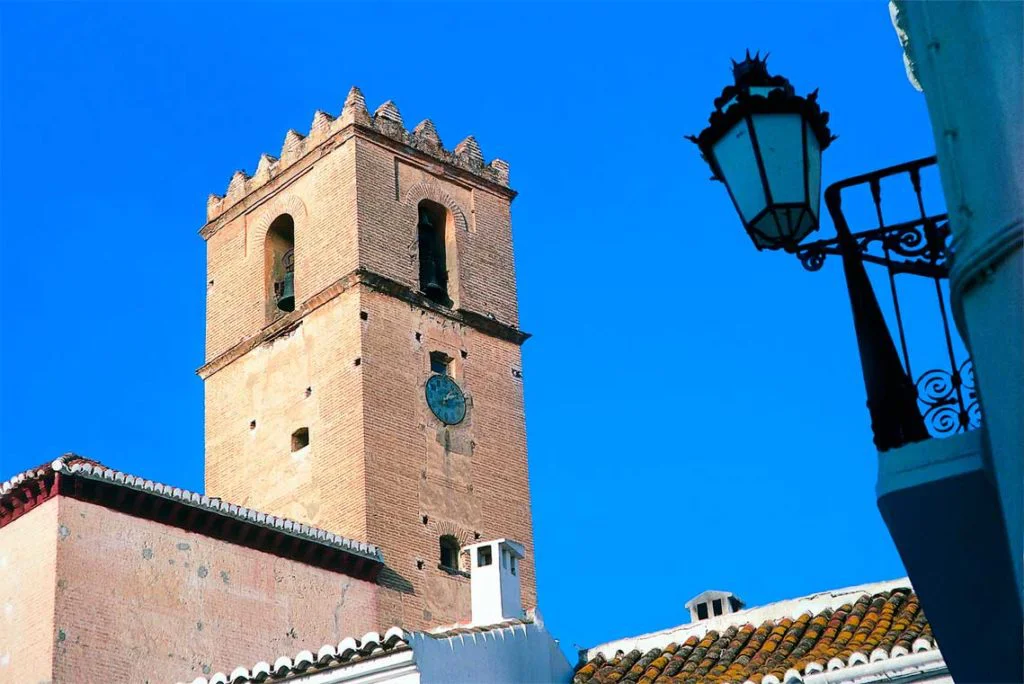
Church of Nuestra Senora del Rosario
The route can begin at the Church of Nuestra Senora del Rosario, built in the 16th century on the site of a former mosque. Mudejar in style, it combines Renaissance elements and features a battlemented tower visible from almost anywhere in the town.
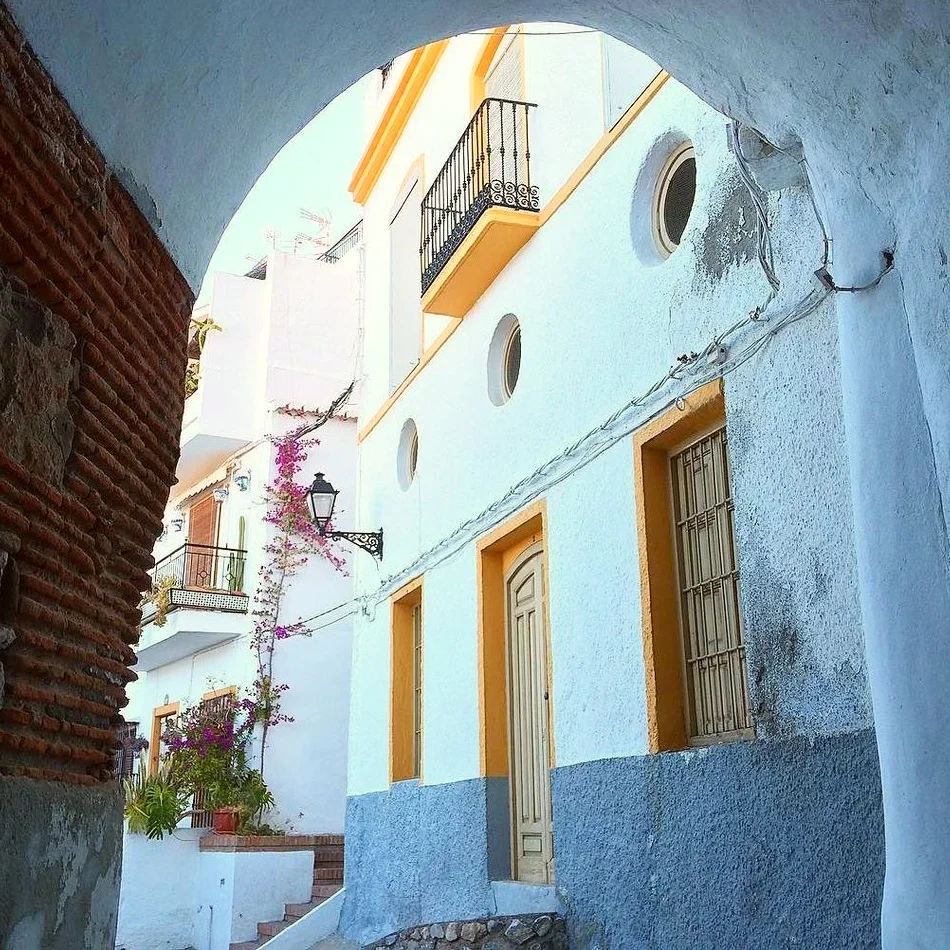
La Boveda
Following the cobbled streets, you reach La Boveda, a vaulted passageway that formed part of the old defensive system. Resting on the medieval wall, it was once the main entrance to the medina and today it remains one of the most picturesque corners of the villa.
Paseo de las Flores
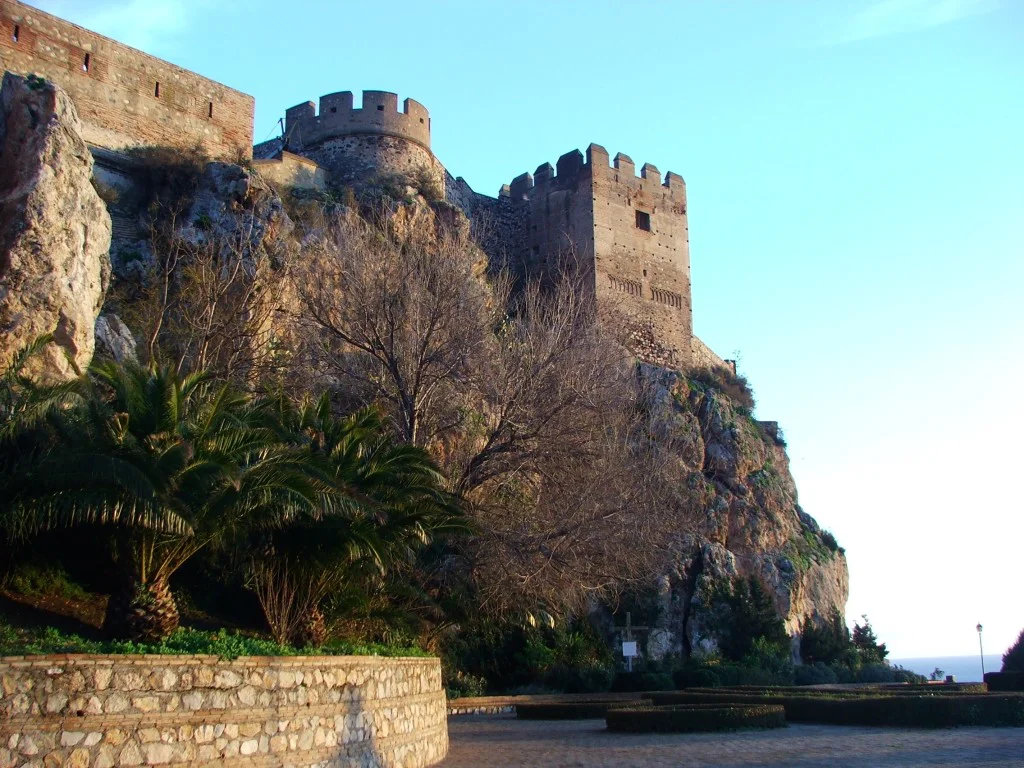
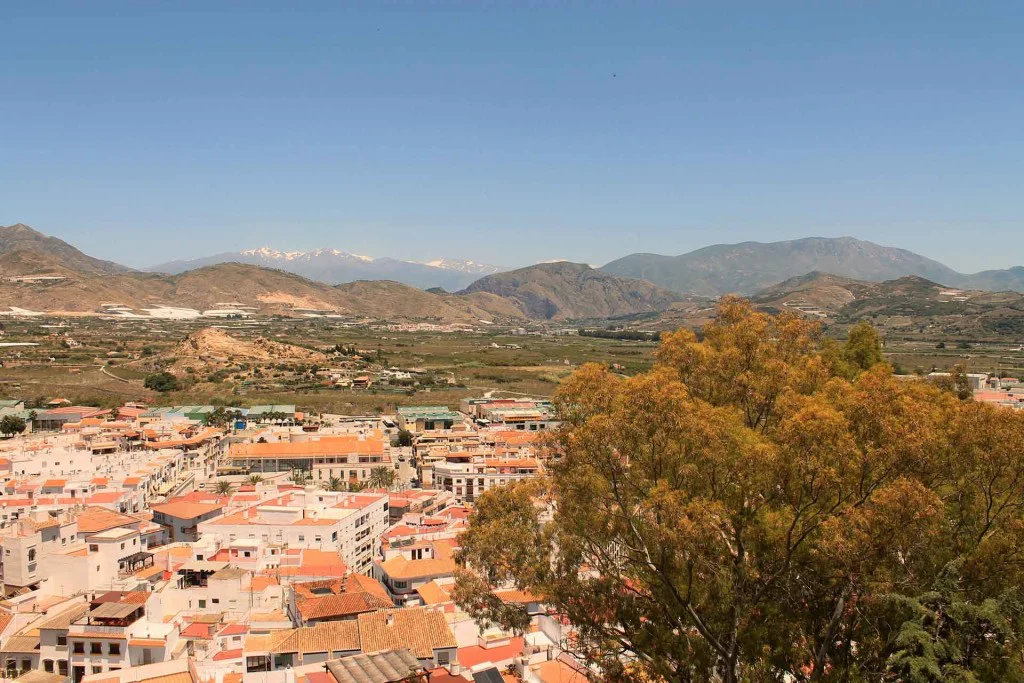
The route continues towards the Paseo de las Flores, a landscaped space and natural viewpoint where archaeological remains of former settlements are preserved. From here you can look out over the fertile plain and the sea, as well as the silhouette of Salobrena Castle.
The Postigo and Enrique Morente viewpoints
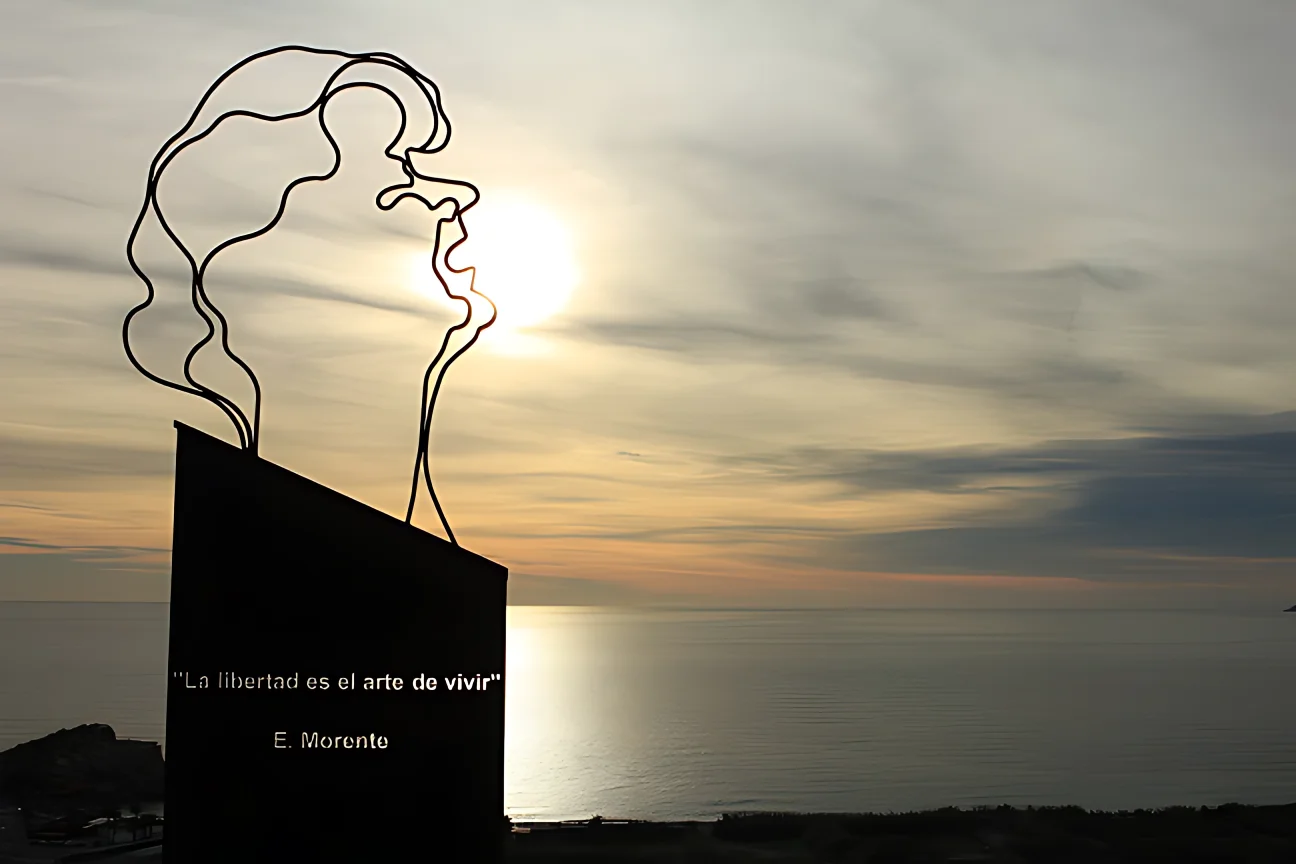
The Postigo and Enrique Morente viewpoints are two more must-see stops. The first offers panoramic views over the town and the sea; the second, in addition to its impressive outlook, pays tribute to the Granada-born flamenco singer with a sculpture bearing his name.
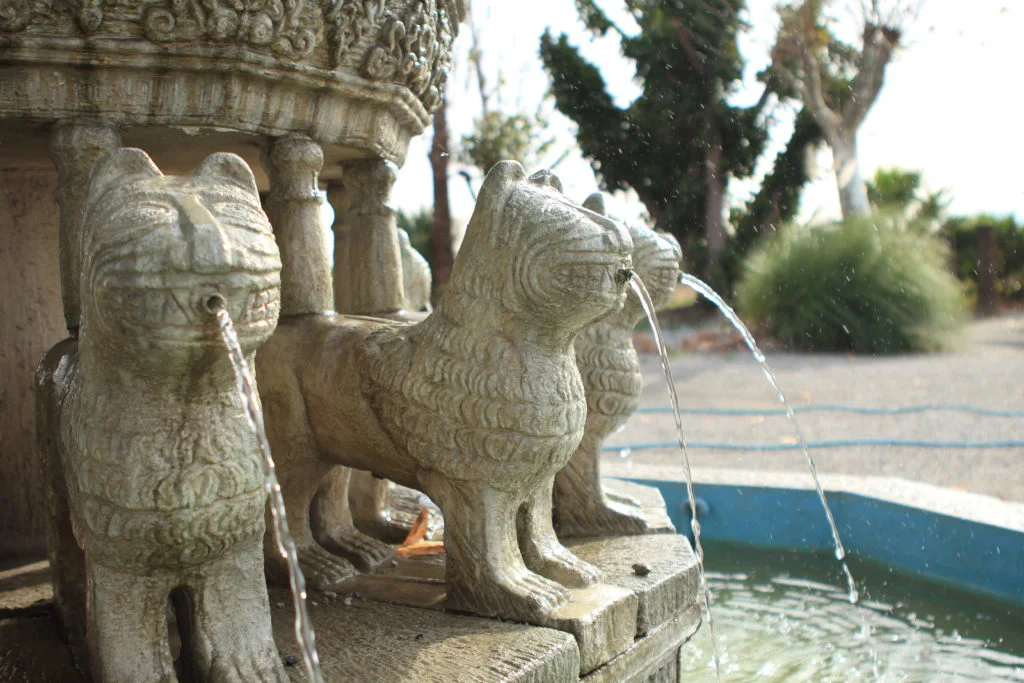
El Brocal, El Albaicin and La Fuente
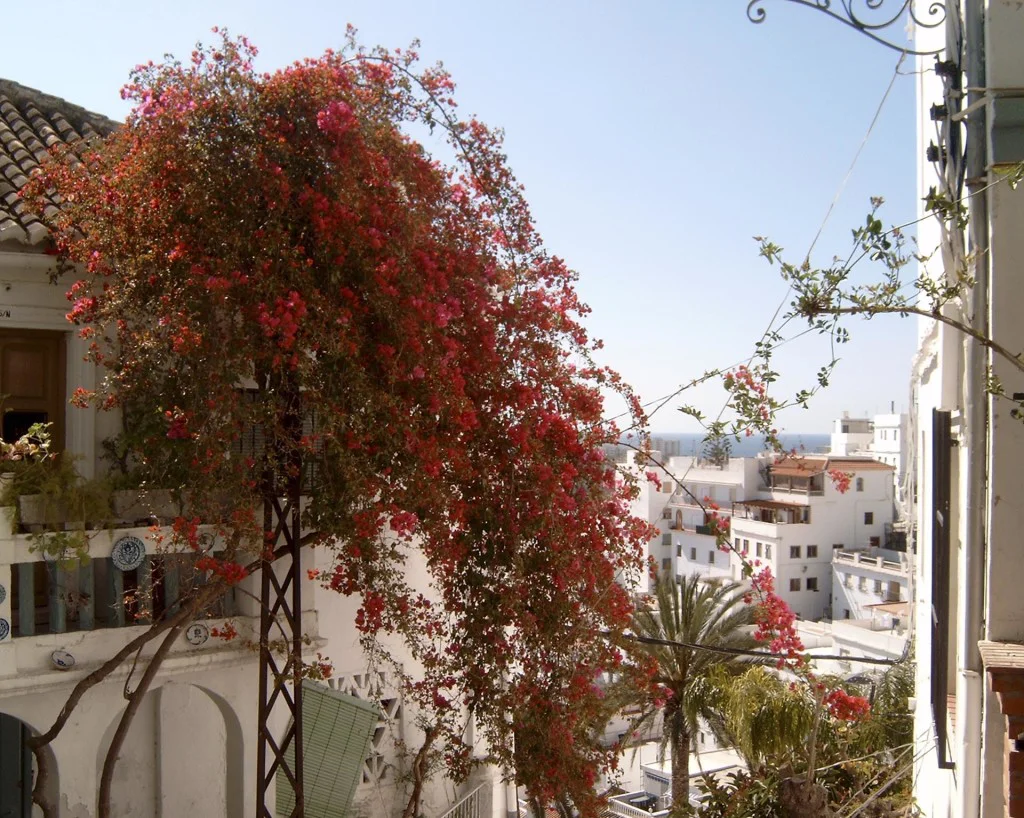
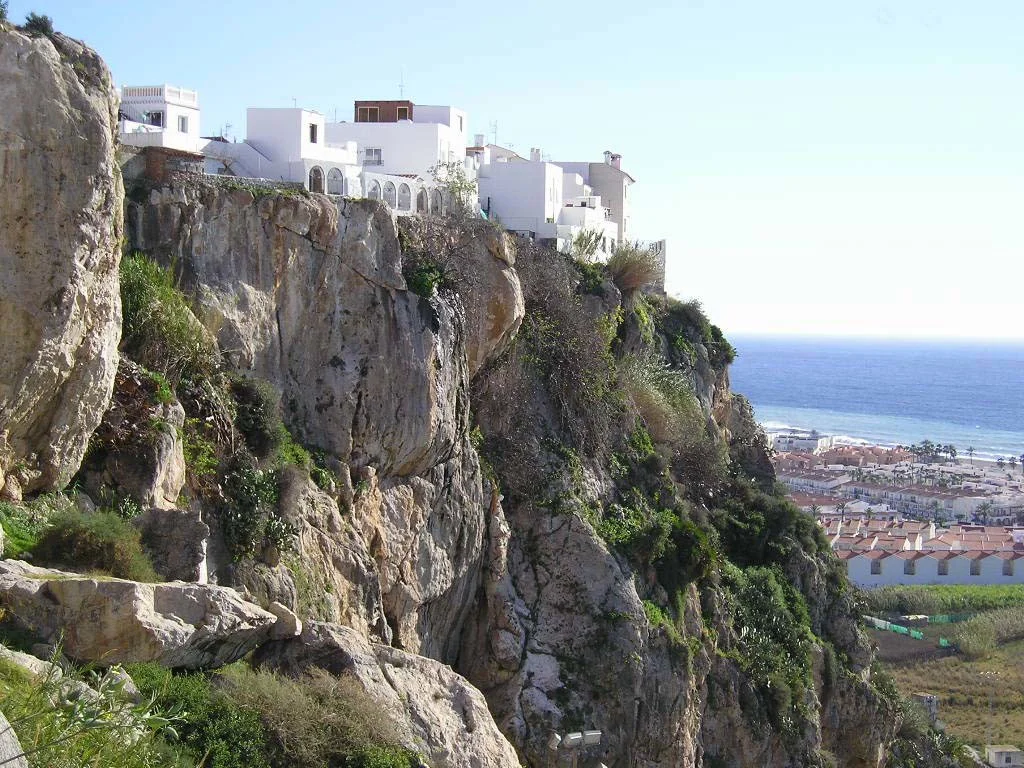
Among the most charming neighbourhoods are El Brocal, El Albaicin and La Fuente, all with traditional architecture, flower-filled balconies and corners that capture the essence of Mediterranean Andalusia.
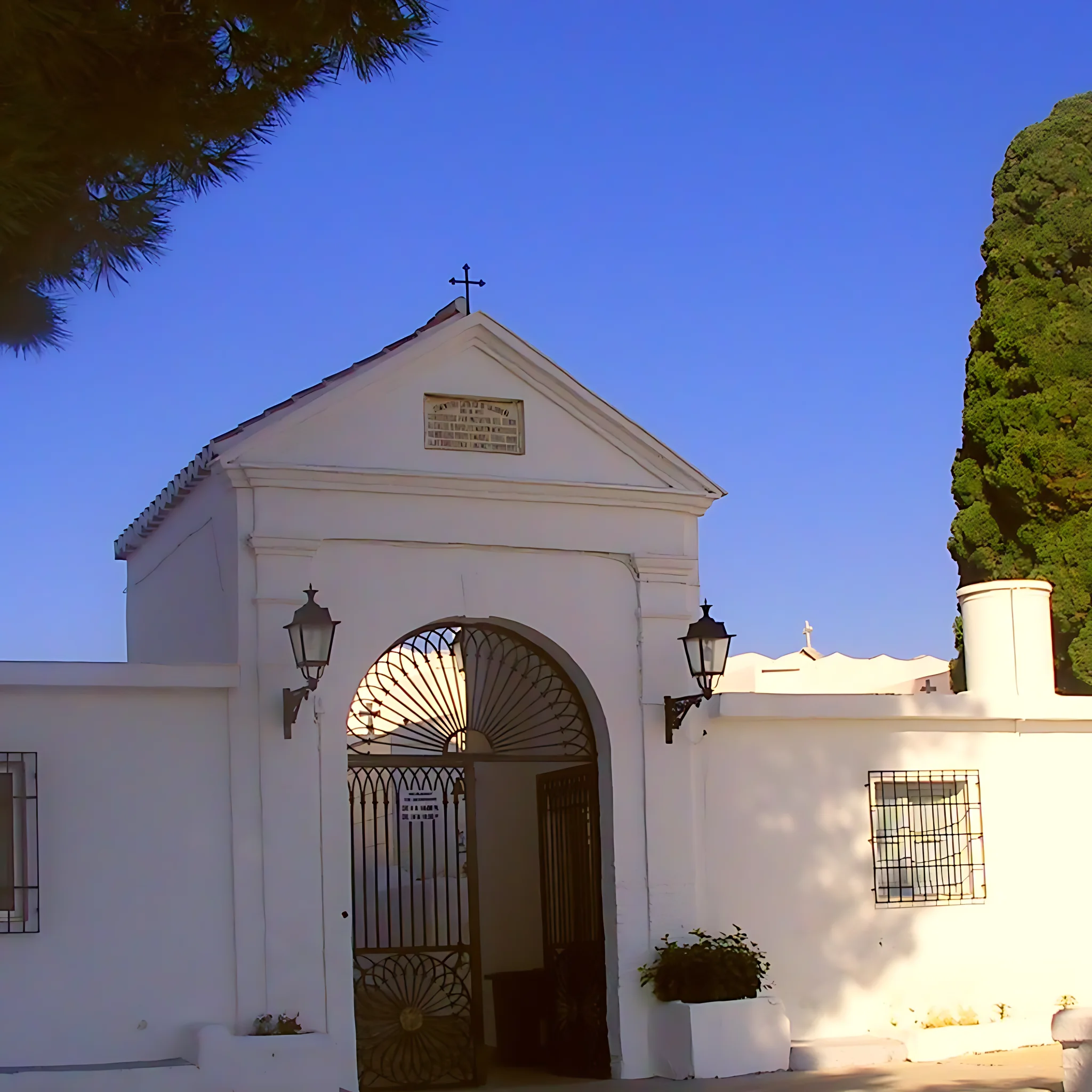
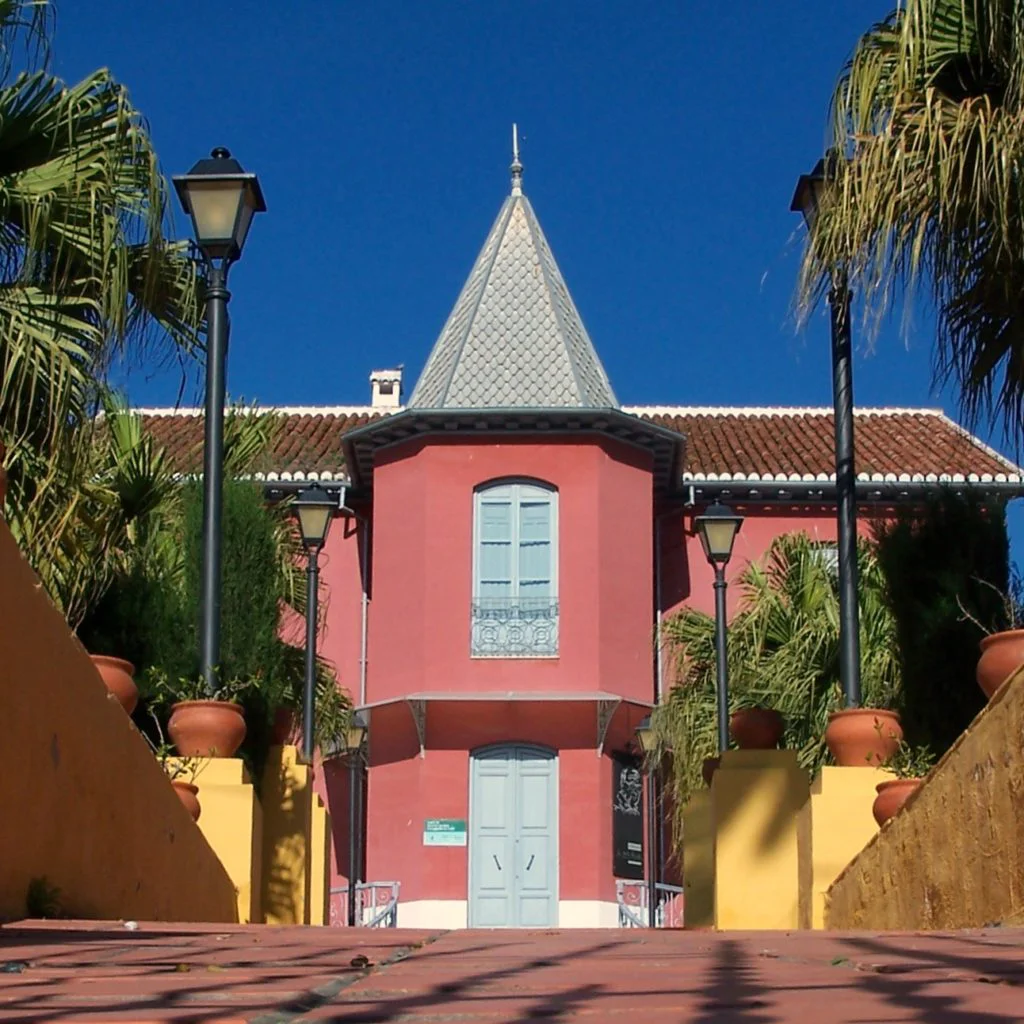
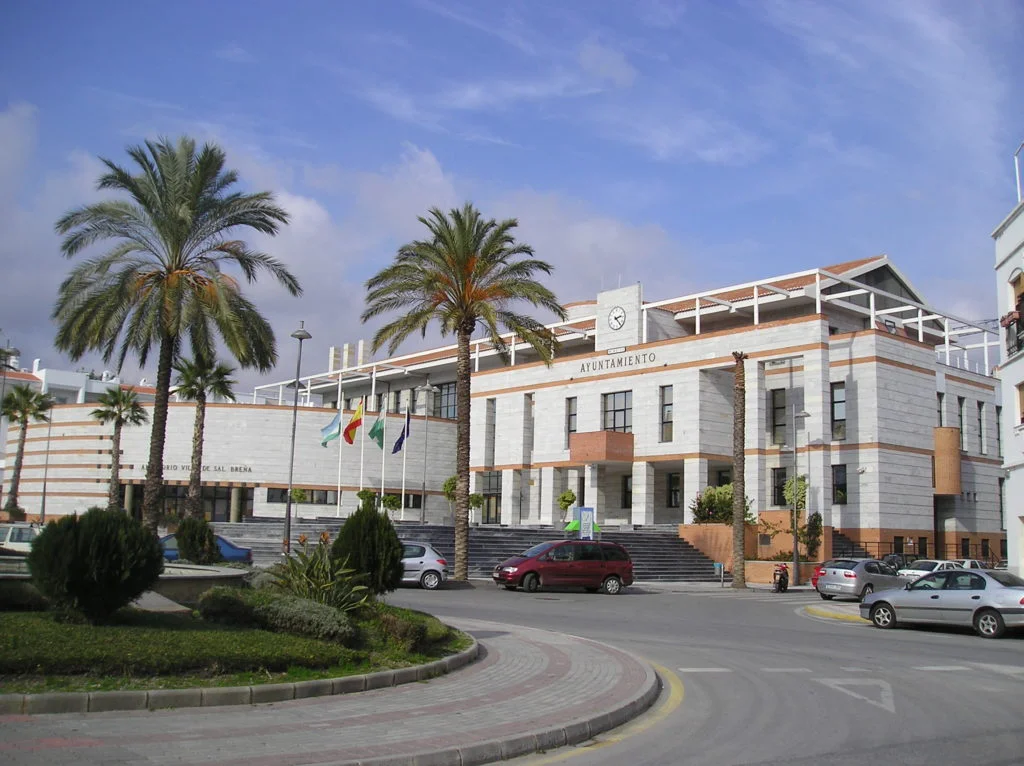
Historic cemetery, Casa Roja or Martin Recuerda Foundation, and the Town Hall
The urban route also highlights the historic cemetery, laid out in terraces with sea views; the Casa Roja or Martin Recuerda Foundation, a former building linked to the local sugar industry; and the Town Hall, which preserves its original appearance.
The Penon of Salobrena
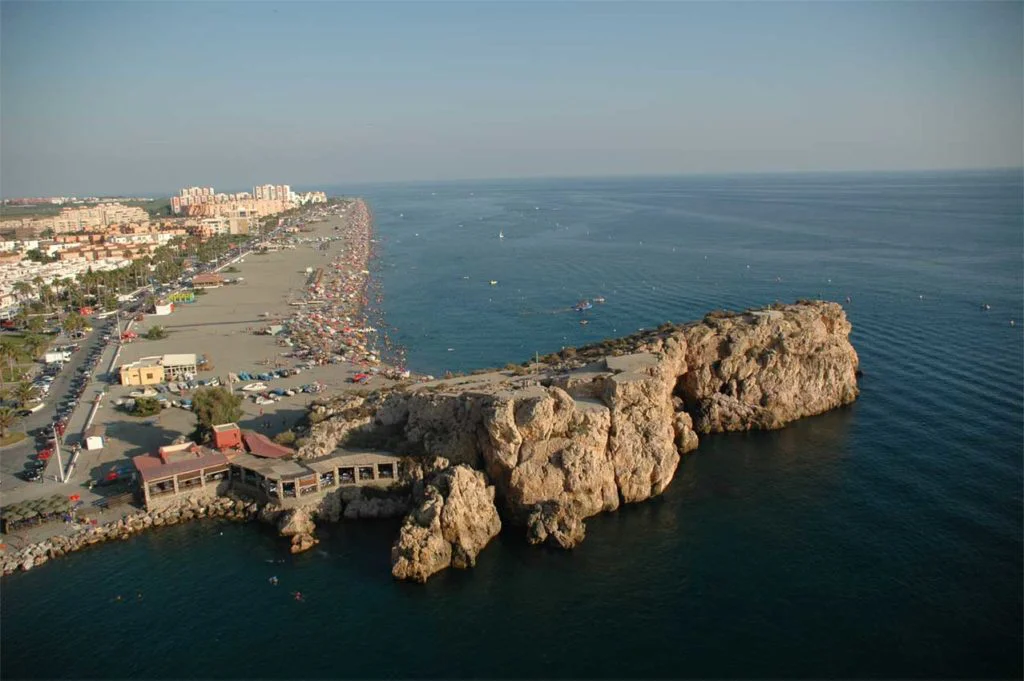
The Penon of Salobrena, a natural symbol of the municipality, was once an islet. Punic, Roman and medieval remains have been found on its surface, along with an early Christian necropolis. Today it is a place for strolling and contemplation, although diving into the sea from the top is forbidden.
Those wishing to explore the area’s military history in greater depth can follow the Route of Castles, Towers and Watchtowers of the Costa Tropical, which links the fortresses and watchtowers that protected the coastline from Almunecar to Castell de Ferro.